
A shower can look premium and still feel inconsistent when the control system sits on the wrong foundation. Behind the wall, the valve manages water supply and temperature. On the surface, the trim delivers everyday control and the final design line. When the valve and trim pairing is planned early, the shower experience feels calm, predictable and easy to use.
In Bangladesh, water pressure, heater type and piping layouts often vary between buildings. A considered selection keeps performance steady across these conditions.
Two Parts, One Outcome
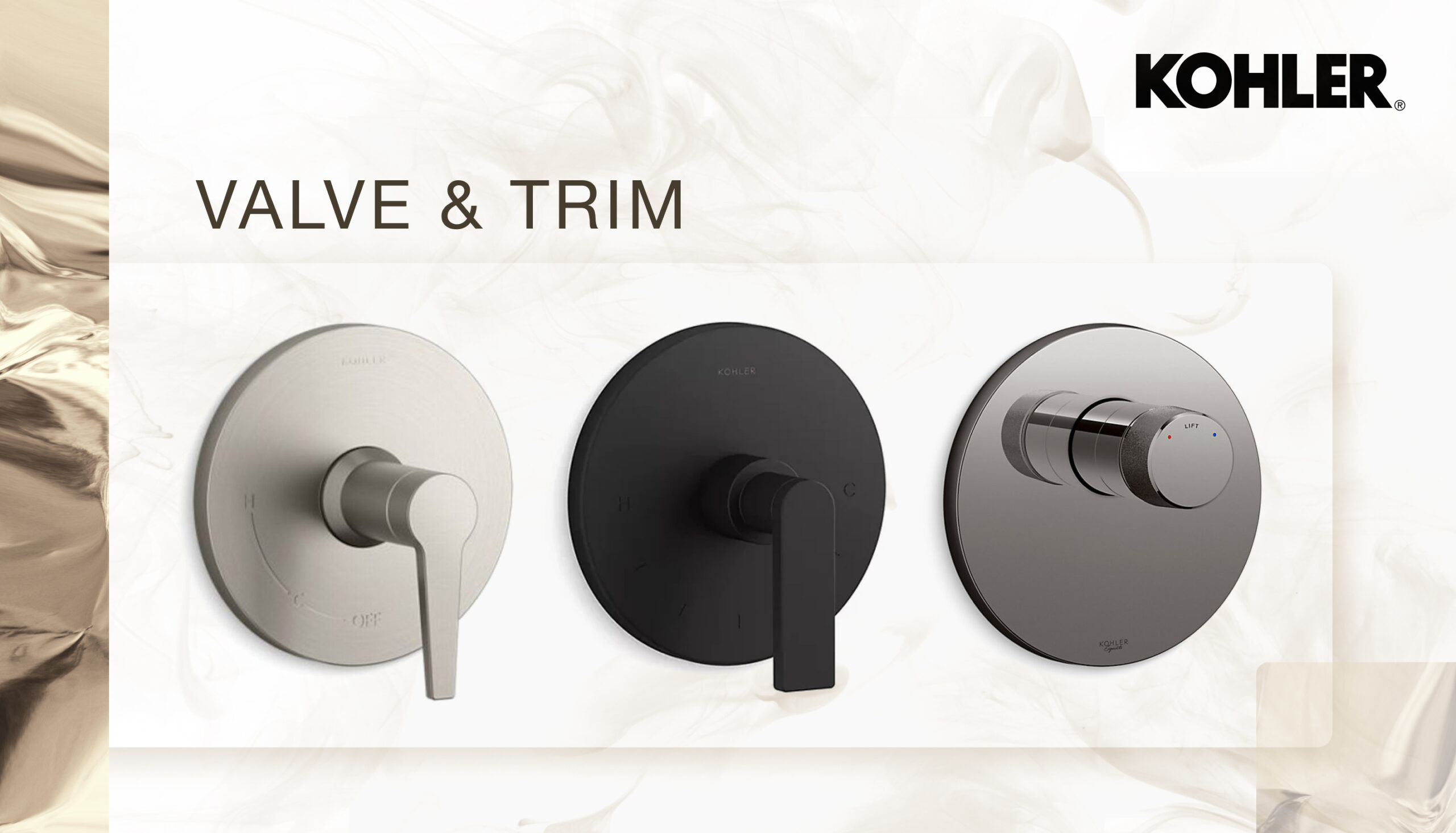
A shower valve is the working core, installed inside the wall and connected to hot and cold supplies. The trim is the visible set of components, usually a faceplate, handle and diverter control, chosen to match the bathroom style and grip comfort. Compatibility matters here, since the valve body and the valve trim need the same platform so operation stays smooth and the plate sits flush.
Start with the Shower Plan, then choose the Valve
A seamless setup begins with a simple map of the shower zone. Count every outlet planned for daily use: rainhead, hand shower, body sprays, tub spout, or a separate overhead shower head. This count guides the valve configuration and the diverter approach.
A single-outlet shower usually suits a shower mixing valve. A two-outlet setup often benefits from an integrated diverter or a separate diverter valve, based on layout. A three-outlet setup needs clear switching logic so each outlet receives consistent flow.
A Simple Guide to Shower Valve Types
Three core categories of shower valve types cover most shower builds, from straightforward control to advanced temperature precision.
Manual mixing control
A manual control blends hot and cold water through one handle. This style suits spaces where simplicity and value lead the decision. Consistent results depend on stable supply pressure and a reliable heater.
Pressure balancing control
A pressure balancing valve responds to sudden changes in pressure between hot and cold supplies. This approach supports steadier temperature during common household demand changes.
Thermostatic control
A thermostatic valve sets a target temperature and holds that target with precision, while a separate control manages volume. This setup suits multi-outlet showers and households with variable demand. Many homeowners see this as the right valve & trim choice for everyday confidence.
Outlet Switching and Handle Comfort
A diverter decides which outlet receives water. The diverter can sit on the same plate as the main control or on a separate plate, based on space and preference. Clear labelling, tactile handle movement and logical positions create faster, easier daily use.
Handle shape matters too. A lever supports easy grip with wet hands. A round knob suits compact spaces and a softer aesthetic.
Installation Details that Protect the Finish
A flush look comes from correct depth and careful waterproofing. The valve body needs accurate positioning so the finished wall thickness aligns with the trim specifications. A flush escutcheon supports a cleaner look and helps keep water away from the wall cavity.
Service stops and a sensible access approach support simpler care over time. Before tiling, confirm outlet direction, handle clearance and diverter reach. During tiling, keep the plate area flat and even so the trim seals properly.
Finish and Style, Matched to the Bathroom
Trim brings the design to life. Finish choice can echo basin mixers and accessories for a cohesive space. Polished chrome suits a crisp look, darker finishes add contrast and warmer tones create a softer, boutique feel.
On the Kohler Bangladesh product page, ranges include Aqua Turbo manual and high flow valves, AutoSense thermostatic recessed bath and shower trims and design-led sets across lines such as Aleo and Parallel.
For a smoother selection journey, pick the internal platform first, then select a Kohler valve & trim design that fits the room. This keeps compatibility clear and supports future upgrades through a single standard.
Final Checks for a Smooth First Day
Confirm outlet count, diverter logic and temperature control style before wall closure. Confirm shower valve and trim finish alignment with other fittings. Confirm service access planning. With these steps, the final control choice becomes a clean, reliable foundation for daily comfort.
Frequently Asked Questions
What sits behind the wall in a shower control system?
The concealed valve body manages mixing and routing, connected to hot and cold supplies.
What does the visible trim include?
The trim set typically includes a faceplate, handle and optional diverter control for outlet switching.
Which setup suits a rainhead plus hand shower?
A valve setup paired with a diverter supports smooth switching between outlets with steady flow.
When does thermostatic control add the most value?
Thermostatic control supports precise temperature hold and independent volume control, which suits multi-outlet showers.
What supports easier maintenance over time?
Accurate installation depth, service stops and a clear access plan support smoother servicing and consistent operation.