Step into a public bathroom toilet and you know in seconds. Smell. Wet floors. A handle no one wants to touch. People form an opinion fast. In malls, offices, and airports, that impression matters. A lot.
The urinal toilet sees the most action in men’s restrooms. Hundreds of users daily. Manual flushes? They get skipped. Or the valve sticks open, and water just runs. Then odors creep in. Staff can’t keep up. Install a urinal sensor, and things change. Less smell. Lower water bills. Way fewer complaints.
Here’s the real-world view. Third person. Neutral. Professional. With the stuff that facility managers actually talk about over coffee.
No Touch, No Guesswork
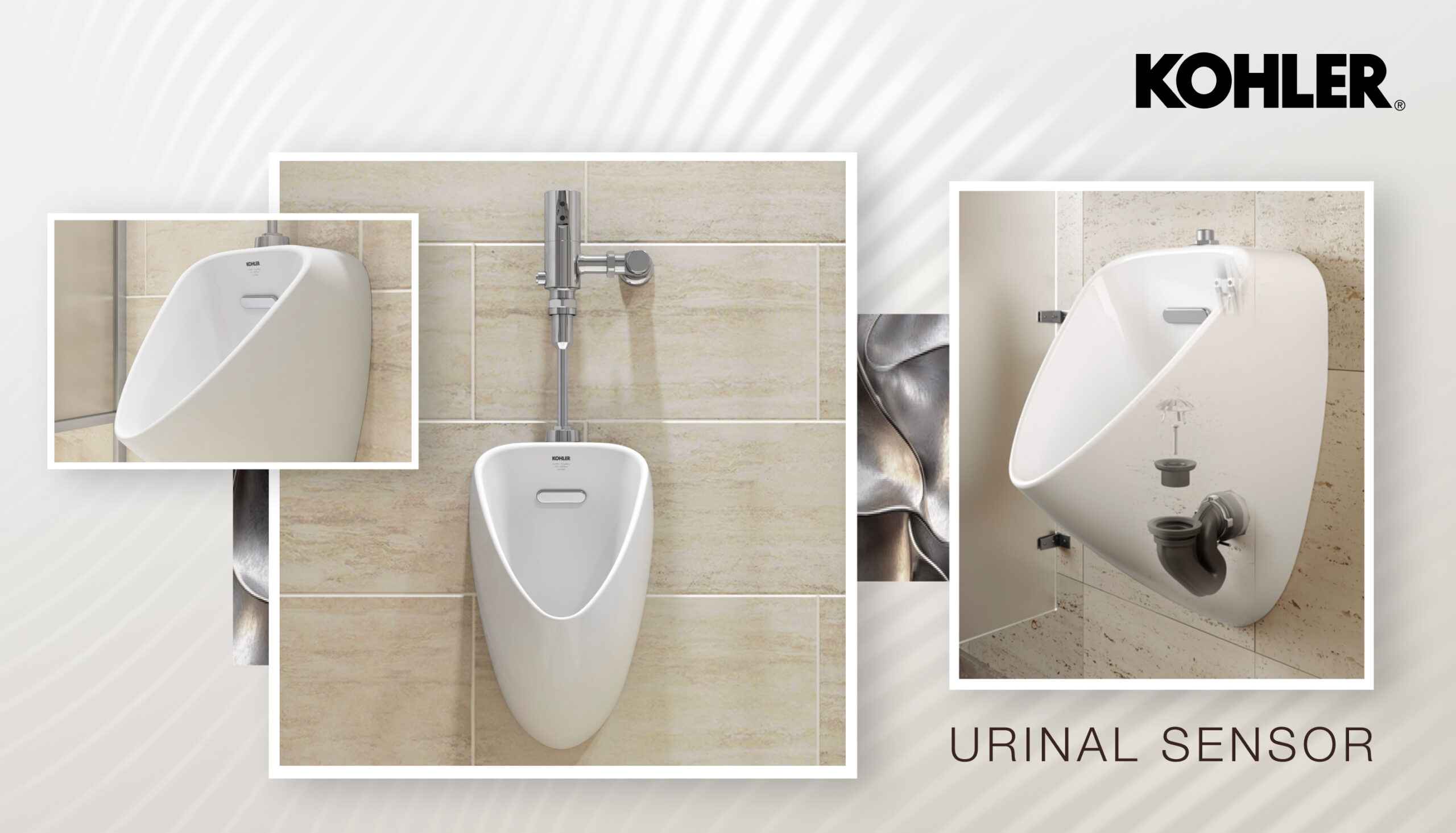
A urinal sensor uses infrared. User steps up, steps away, it flushes. Simple. No handles. No decisions to make.
That’s huge in high-traffic spots. Manual handles collect germs. They break. A jammed lever means water runs all night. A handle nobody touches means the urinal toilet sits unflushed. Scale forms. Then the room starts to stink.
Sensors fix both problems. Flush happens every time. Trap stays wet. Bowl gets rinsed. Crews at Dhaka office towers say the same thing: “After sensors, the midnight call-outs stopped.”
Bills Drop. Hygiene Doesn’t.
Old bathroom toilet setups use 3 to 4 liters per flush. Easy. Some even more. A sensor matched with a low-flow urinal toilet can do the job at 0.5 liters. Same clean, fraction of the water.
Run the numbers for one busy site. 200 flushes a day. 260 workdays. That’s 52,000 flushes a year. The gap between 3 liters and 0.5 liters? 130,000 liters. From one urinal toilet. Now multiply that across a building.
Less water means less load on pumps and treatment, too. For sites chasing sustainability goals, it’s a clear win. Clean restrooms. Smaller bills. No trade-off on hygiene.
Cleaning Takes Less Time
No handle means one less spot to disinfect. The urinal sensor sits flush on the wall or fixture. Clean lines. No grooves where grime hides.
Staff move faster. Wipe and go. The bathroom toilet area looks presentable without scrubbing around levers. In hospitals and food courts, the saved time adds up fast.
Sensors also keep things consistent. Every urinal toilet gets rinsed after use. No dry bowls. No dried residue causing odor. The space smells neutral. That’s what visitors actually notice.
Fitting Them and Keeping Them Running
Retrofits are common. Most urinal sensor kits fit standard spud sizes. Battery units work where pulling the wire is a pain. Hardwired makes sense for new builds. Battery life? Usually, 2 to 3 years with normal use. Low-battery lights give a warning. No surprises.
Setup matters. Range has to see users, not people walking past. Installers test during slow hours. A slight angle tweak stops ghost flushes. Get it right, and it just runs.
Durability is the question everyone asks. Cheap sensors misread. Valves stick. Then costs climb, and complaints roll in. Good units avoid that. Sealed electronics. Solid solenoids. Parts you can swap without ripping walls open.
Why Support and Specs Count
Brochure claims don’t keep restrooms open. In commercial spaces, uptime is everything. A urinal toilet down means lines and mess.
Kohler Bangladesh shows up on specs because the systems hold up. The urinal sensor tech uses proven infrared and tough valves. Bowls and sensors are designed together, so the flush volume and rinse pattern match. Local support means parts show up when needed. Maintenance stays predictable.
Other brands are out there. The point is results in real buildings. Airports, universities, corporate blocks across Bangladesh pick Kohler Bangladesh because the units handle heavy use and keep the bathroom toilet areas clean without constant fuss.
What It All Means
A bathroom toilet area says something about the whole building. Clean, odor-free restrooms tell people the place is run well. Staff feel it too. Easy-to-maintain spaces lift morale.
Sensor tech gets you there with less effort. Auto flush. Less water. Fewer touchpoints. Faster wipe-downs. Scale that across every urinal toilet and the impact is obvious.
For new jobs and upgrades, it’s not just about fixtures. It’s about daily ops. Kohler Bangladesh supplies urinal sensor options built for commercial restrooms in Bangladesh. The result: hygienic spaces, lower bills, fewer headaches. That’s how modern facilities stay sharp. Every user, every day.
Frequently Asked Questions
How does a urinal sensor help a bathroom toilet stay clean?
A urinal sensor triggers touch-free flushing on the urinal toilet. No handles means fewer germs, and every use gets rinsed. That keeps the bathroom toilet area fresher with less odor.
Do urinal toilet sensors actually cut water use?
Yes. A sensor-run urinal toilet uses set volumes, often 0.5 liters, rather than the 3+ liters specified in older manuals. At busy sites, that saves thousands of liters of water per bathroom toilet each year.
Are urinal sensor units reliable under heavy use?
Good ones are. Sealed electronics, strong valves, long battery life. Set up right, a urinal sensor handles constant traffic and keeps the urinal toilet working without fuss.
Why do many projects in Bangladesh choose Kohler Bangladesh for sensors?
Kohler Bangladesh offers integrated urinal sensor and urinal toilet systems tested for commercial loads. Reliable detection, efficient flush, and local support keep bathroom toilet areas hygienic with minimal upkeep.