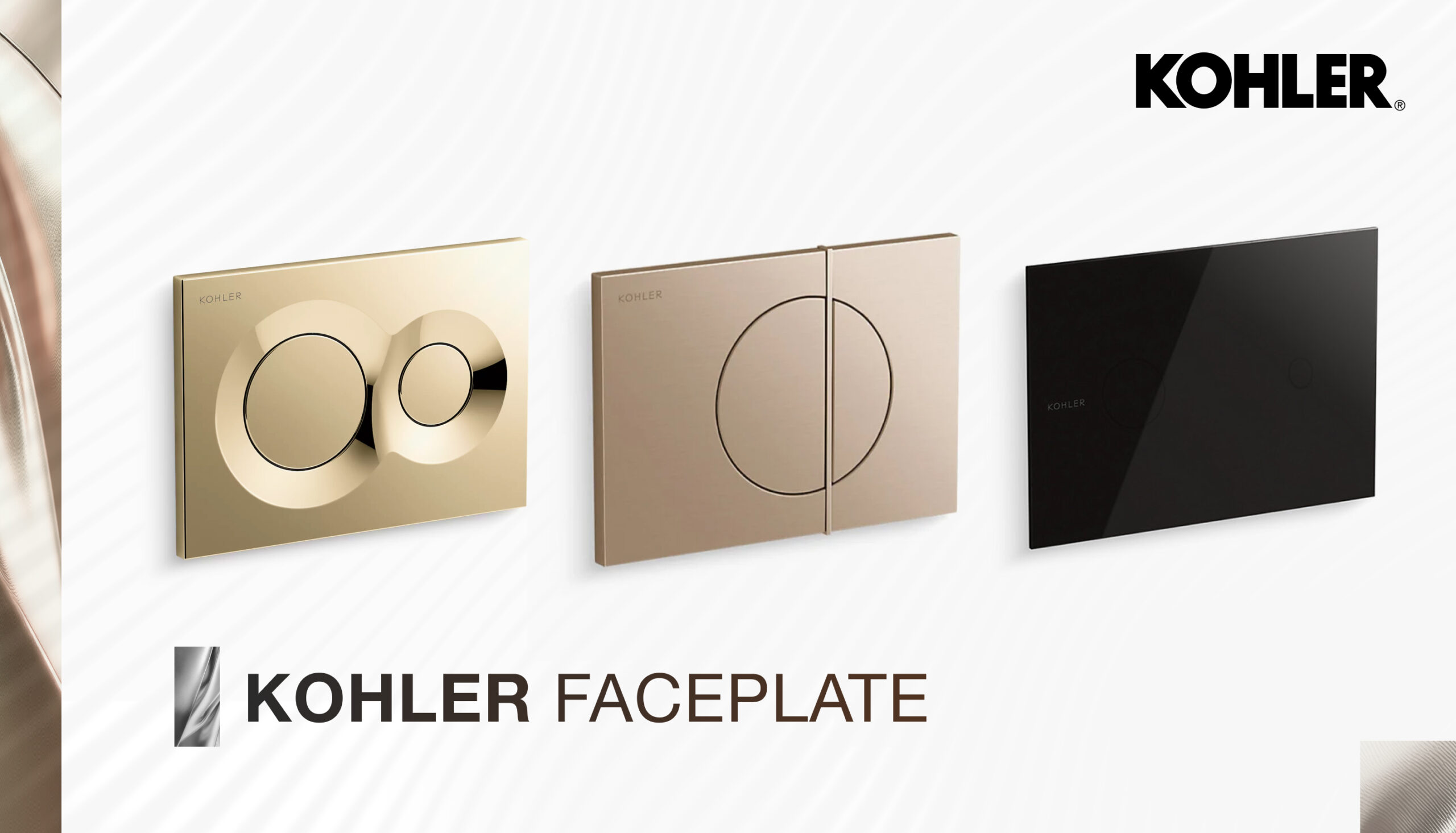
Selection of toilet flush plate centres on electronic, mechanical or pneumatic operation. Design needs and installation conditions guide the process. Each system carries clear advantages that suit particular bathroom layouts and daily routines. Full details on the strengths of every option follow below.
Electronic
Electronically operated toilet flush plates arrive in compact forms that enhance visual appeal. Cistern dimensions remain consistent within proven limits. Precise measurement checks confirm suitability for the available models.
Contactless activation stands as a primary advantage. A light hand wave across the half-flush or full-flush zone starts the cycle. Surfaces remain pristine through minimal physical touch. Cleaning effort decreases as a result. Automatic flush cycles activate at regular intervals. Bowls stay fresh during periods of lighter use. Soft lighting comes on in dim conditions and directs the hand with clear guidance.
These features combine hygiene with everyday convenience. The automatic interval flush supports consistent bowl condition across varying household patterns. Soft illumination adds practical value during night-time visits and creates a calm atmosphere. Compact proportions allow the plate to sit neatly against contemporary tiling or panelling. Integration of a kohler faceplate works smoothly in compatible electronic ranges where power and control elements align.
The system supports refined bathroom schemes that value clean surfaces and quiet operation. Response times stay prompt once the wave registers. Interval programming keeps the bowl in ready condition for successive users. Lighting intensity remains gentle enough to avoid disturbance yet strong enough for accurate targeting.
Mechanical
Mechanically operated toilet flush plates deliver the widest selection of colour, size and shape. Reliability forms a core advantage. Service procedures stay familiar for plumbing professionals. Overall cost remains competitive across the category.
Coloured finishes expand freely here. Mechanical systems offer the broadest palette available. Cistern sizing and shape options reach their fullest extent. Standard wall cavities accommodate the units with ease.
Ease of service keeps maintenance straightforward. Familiar mechanisms allow quick attention when required. Cost effectiveness supports larger project budgets and repeated installations. A Kohler faceplate pairs directly with mechanical cisterns. Matching wall plates in identical finishes create a unified surface treatment across the suite. Supply through Kohler Bangladesh channels places these combinations within ready reach for local installations. Stock covers popular dimensions and surface treatments suited to new construction and refurbishment work.
The mechanical approach suits projects that prioritise visual variety. Buttons respond with positive tactile feedback. Finish options extend from soft neutrals to deeper tones that coordinate with basin and shower fittings. Access panels remain simple to open for routine checks. Durability under daily use stays consistent across the range.
Pneumatic
Pneumatically operated flush plates use air hoses that link the buttons to the valve. Air movement completes the flush action. Distance between cistern and pan increases substantially. Placement becomes possible inside ceilings, side walls or cupboard voids. Remote-located cisterns open significant design freedom.
Two singular buttons without a full backplate produce a minimal visual outline. Coloured finishes apply cleanly to the separate buttons. Coordination with varied tapware tones proceeds with simplicity.
Remote placement forms the standout advantage. Ceiling or side-wall locations free floor and wall space behind the pan. Minimalist button arrangements suit contemporary schemes that favour uninterrupted surfaces. A faceplate in pneumatic form sits flush against the wall surface while the cistern rests further away. Wall plates in coordinated materials complete the visible finish. Projects supplied through Kohler Bangladesh frequently join these elements when remote cistern positioning forms part of the plan.
Air-hose operation allows the control surface to remain independent of cistern bulk. Singular buttons reduce the visible footprint and create a light appearance. Finish matching proceeds across multiple fixtures without restriction. The arrangement supports both new-build layouts and alterations where space behind the pan stays limited.
Electronic systems prioritise hygiene and automated cycles. Mechanical systems prioritise variety, reliability and service familiarity. Pneumatic systems prioritise placement flexibility and minimal form. Layout constraints, preferred surface treatments and access requirements determine the final match.
FAQs
What advantages define electronic flush operation?
Contactless hand-wave activation keeps surfaces clean. Automatic interval cycles maintain bowl freshness. Soft lighting provides clear guidance in low light. Compact designs support refined bathroom aesthetics.
How do mechanical systems deliver practical benefits?
Wide colour and size ranges allow close matching to existing fixtures. Reliable mechanisms support long service life. Familiar construction enables straightforward maintenance. Competitive pricing suits varied project scales.
Where does pneumatic operation provide the greatest value?
Air-hose connection permits cistern placement in ceilings or side walls. Singular buttons create minimal surface disruption. Coloured finishes coordinate readily with tapware. Remote positioning frees space behind the pan.
Which supply route supports full Kohler coordination?
Kohler Bangladesh distributors hold complete stocks of cisterns, faceplates and complementary wall plates. Showroom examples allow direct comparison of electronic, mechanical and pneumatic performance under working conditions. Matching finishes across the range produce a cohesive result.